Aug 29 , 2025
Treat Math: How Many Dog Treats Per Day Is Actually Healthy?
Every dog owner faces the daily dilemma of how many treats to give their beloved pet. Those pleading eyes and wagging tails make it tempting to be generous with rewards, but finding the right balance between showing love and maintaining health requires understanding treat mathematics. Let's break down the numbers to help you determine the optimal daily treat allowance for your furry friend.
The 10% Rule: Your Starting Point
Veterinarians and pet nutritionists widely recommend that treats should comprise no more than 10% of your dog's total daily caloric intake. This guideline ensures that treats remain supplements to a balanced diet rather than replacing essential nutrition from regular meals.
For example, if your dog requires 800 calories per day, treats should contribute no more than 80 calories. This might seem restrictive, but it's designed to prevent nutritional imbalances and weight gain that can result from excessive treating.
This percentage allows for enjoyment and training rewards while maintaining the nutritional integrity of your dog's overall diet. Regular dog food is formulated to provide complete nutrition, and treats should enhance rather than compromise this foundation.
Calculating Your Dog's Caloric Needs
Before determining treat portions, you need to understand your dog's total daily caloric requirements. These vary significantly based on size, age, activity level, and metabolism.
Small Dogs (10-25 pounds): Typically require 200-400 calories per day Medium Dogs (25-60 pounds): Usually need 400-800 calories per day
Large Dogs (60-100 pounds): Generally require 800-1,200 calories per day Giant Dogs (Over 100 pounds): May need 1,200-1,800+ calories per day
These are general guidelines - puppies, highly active dogs, pregnant or nursing females, and senior dogs all have different requirements that may fall outside these ranges.
Activity Level Adjustments
Your dog's activity level significantly impacts both their caloric needs and appropriate treat allowances. More active dogs burn more calories and can typically handle slightly more treats within the 10% guideline.
Sedentary Dogs: Dogs with minimal exercise need fewer total calories and should stick strictly to the 10% treat limit to prevent weight gain.
Moderately Active Dogs: Dogs with regular walks and playtime can usually handle the full 10% treat allowance without issues.
Highly Active Dogs: Working dogs, agility competitors, or dogs with intense exercise routines may be able to handle slightly higher treat percentages, but this should be monitored carefully.
Age-Related Considerations
Different life stages require adjustments to treat calculations and considerations.
Puppies: Growing puppies need higher caloric density in their regular food and should receive treats sparingly. Their developing digestive systems are also more sensitive to dietary changes.
Adult Dogs: Healthy adult dogs can typically handle the full 10% treat guideline when properly calculated for their individual needs.
Senior Dogs: Older dogs often have slower metabolisms and may be less active, requiring reduced treat portions to prevent weight gain that can exacerbate arthritis and other age-related conditions.
Treat Size and Frequency Strategy
How you distribute treats throughout the day matters as much as the total amount. Multiple small treats are generally better than fewer large ones for both training effectiveness and digestive health.
Training Sessions: Use tiny, easily consumed treats that don't interrupt the learning flow. A pea-sized piece often provides the same motivational value as a larger treat.
Meal Supplements: If using treats to supplement meals or hide medications, account for these calories in your daily calculations.
Special Occasions: Birthday celebrations or special rewards can exceed daily limits occasionally, but reduce regular meals slightly to compensate.
Different Treat Types, Different Calculations
Not all treats are created equal when it comes to caloric content and nutritional impact.
High-Calorie Treats: Jerky, cheese-based treats, and fatty options pack more calories into smaller portions. These require careful measurement and smaller serving sizes.
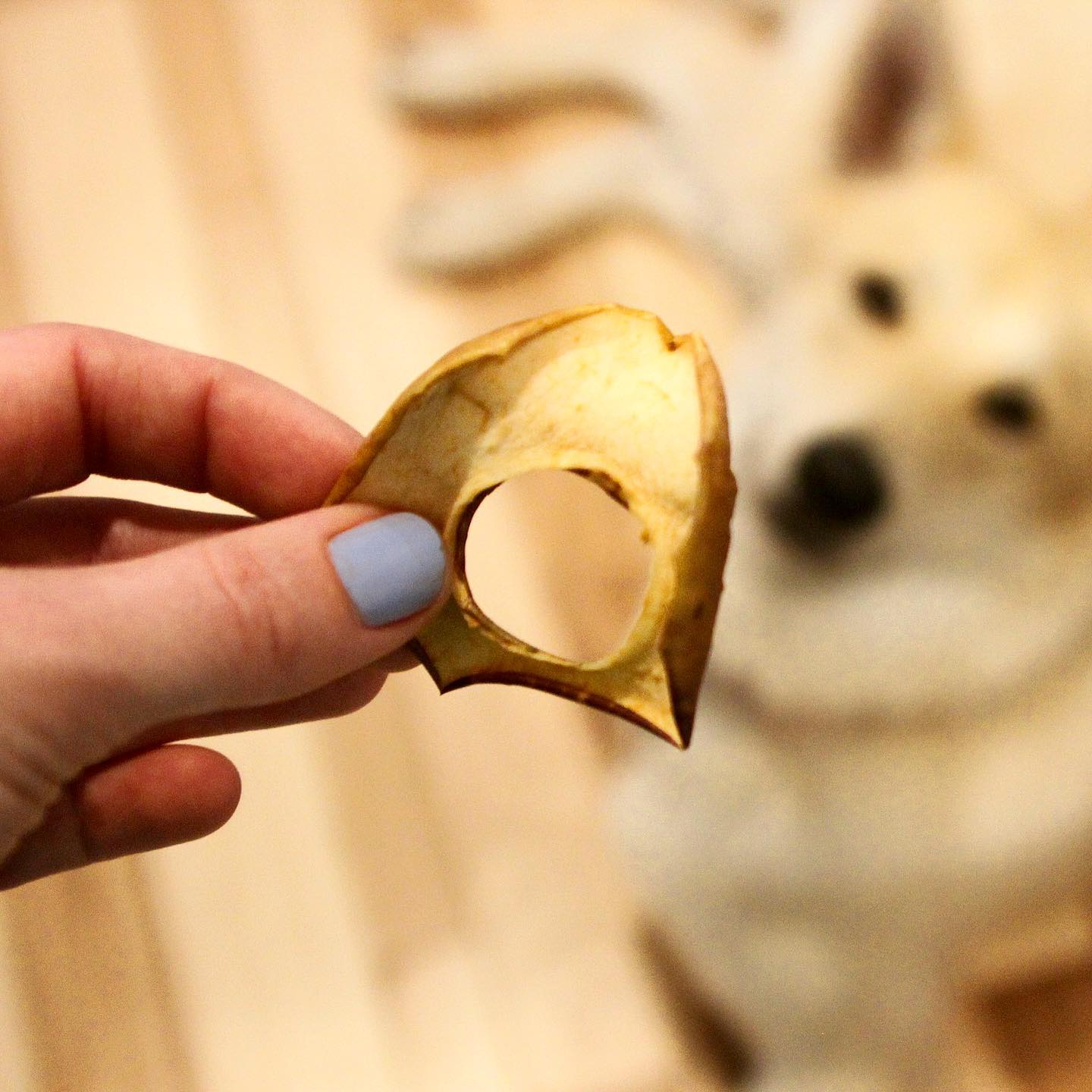
Low-Calorie Options: Vegetables like carrots, apple slices (without seeds), or air-puffed treats provide satisfaction with fewer calories, allowing for larger portions within the 10% limit.
Training Treats: Specifically formulated training treats are often lower in calories and designed for frequent use during training sessions.
Weight Management Considerations
For overweight dogs, treat mathematics becomes even more critical. Weight loss requires creating a caloric deficit, which may mean reducing treats below the standard 10% guideline.
Weight Loss Phase: Consider reducing treats to 5% of daily calories or switching to ultra-low-calorie options like small pieces of vegetables.
Maintenance Phase: Once target weight is achieved, gradually return to normal treat levels while monitoring weight stability.
High-Value, Low-Calorie Alternatives: Find treats your dog loves that contribute minimal calories, such as small pieces of cooked sweet potato or freeze-dried single-ingredient options.
Practical Portion Control Methods
Implementing treat mathematics requires practical systems for measuring and tracking daily portions.
Pre-Portioning: Measure out your dog's daily treat allowance each morning and store it in a separate container. When it's empty, treat time is over for the day.
Family Coordination: Ensure all family members understand daily limits and communicate about treats given to prevent accidental overfeeding.
Treat Diaries: For dogs with weight issues or health concerns, tracking actual treat consumption helps identify patterns and adjust portions accordingly.
Quality Over Quantity Approach
Focus on providing fewer, higher-quality treats rather than numerous low-quality options. Premium treats with concentrated flavors and nutrition often satisfy dogs with smaller portions.
High-quality treats made with real meat, vegetables, and natural ingredients provide more satisfaction per calorie than treats filled with artificial fillers and flavors. This means smaller portions can deliver the same emotional and motivational impact.
Special Circumstances and Adjustments
Certain situations may require modifying standard treat calculations.
Medical Conditions: Dogs with diabetes, pancreatitis, or other health issues may need special treat restrictions or specific types of treats recommended by veterinarians.
Medication Administration: If treats are used to give medications, account for these in daily calculations and consider lower-calorie options specifically designed for pill administration.
Multi-Dog Households: Ensure each dog receives appropriate portions based on their individual needs rather than equal amounts.
Monitoring and Adjusting
Regular monitoring helps ensure your treat mathematics are working effectively for your dog's health and happiness.
Weekly Weigh-Ins: Regular weight checks help identify whether treat portions are appropriate for maintaining ideal body condition.
Body Condition Scoring: Learn to assess your dog's body condition by feel and sight, adjusting treat portions based on changes in weight or body fat.
Behavioral Observations: A dog receiving appropriate treat portions should remain motivated by rewards without becoming overly food-focused or begging excessively.
Finding the right treat balance requires attention to mathematics, but the payoff is a healthy, happy dog who enjoys rewards without compromising their wellbeing. By understanding and applying these calculations, you can show love through treats while supporting your dog's long-term health and maintaining the perfect weight for an active, joyful life.